
01
Logic
Follow a signal and understand how an action leads to a result.
Vibo Games Academy · Learn through discovery
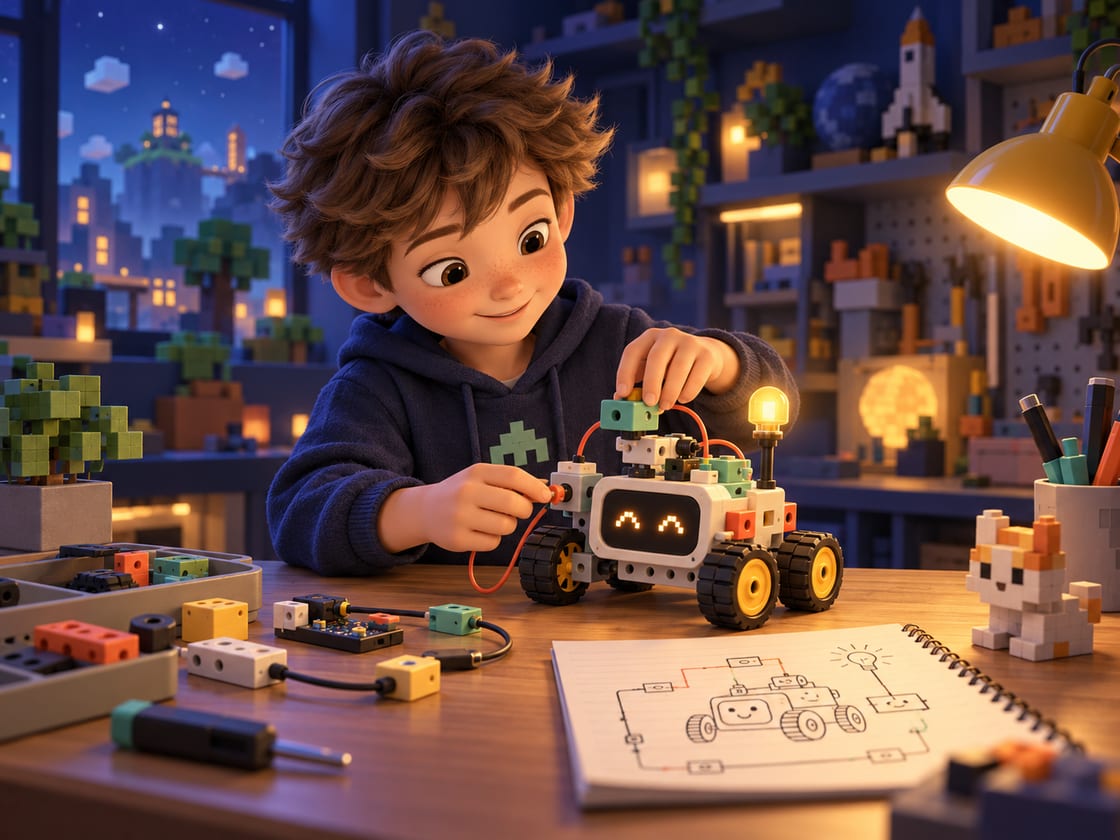
Your child imagines, and you explore together. Build mechanisms in a game world, test ideas and turn “what if?” into working inventions.
Two introductory lessons are open without access to the full course.
First lesson · 25 minutes · Open access
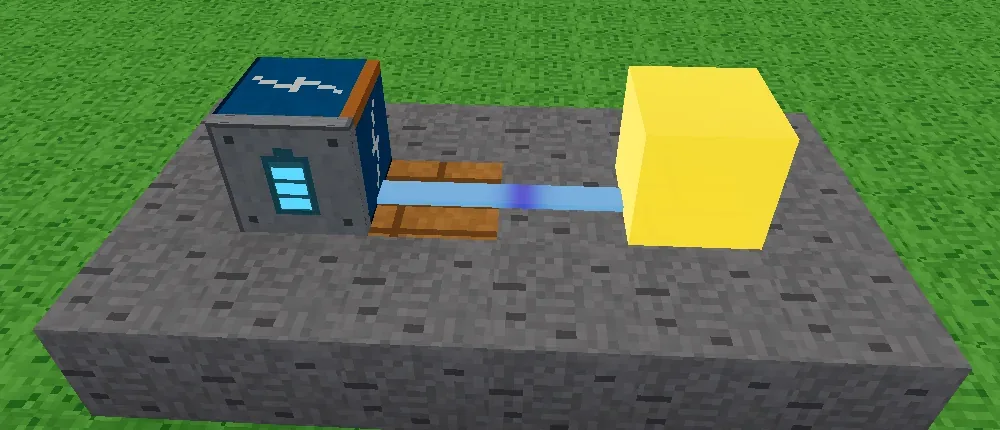
Your child builds an unbroken path from the battery to the lamp. Then they remove a wire and test their prediction: will it still light up?
They practice connecting cause and effect, finding a break in the circuit and explaining what each part does.
Open the first lessonTry it here
Click the switch.
What happens to the lamp?
The lamp is off. The switch blocks the in-game signal.
In the second lesson, you will add this switch in Vibo. This is a simplified preview of the in-game mechanism.
Why it matters for your child
Technology changes, but reasoning, understanding physical principles and finding solutions remain valuable. Engineering starts with curiosity: why did the lamp light up? How could it turn on by itself?
Vibo Games electrical blocks are simplified in-game models of real devices: switches, sensors, doorbells and automatic lighting. Children observe how they work and discover how separate parts form a system.
Helping your child think like an inventor. Behind robots, spacecraft and smart devices are people who ask questions, test ideas and work together. In Vibo, children try this approach with their first circuit: imagine, test and improve.
Follow a signal and understand how an action leads to a result.
Make a prediction, try an experiment and compare the result with what you expected.
Invent your own device, break the task into parts, choose blocks, build it and improve the design.
Check connections, change one condition and find the cause of a problem.
Explain how a circuit works and discuss the solution with a parent or teacher.
Imagine how to arrange and connect parts, read a diagram and use it to build a three-dimensional construction.
For parents
Start with “What do you think will happen?” and test the prediction together. The course provides a sequence of activities, circuits and tips, while leaving room for your child’s own ideas.
These are first steps towards understanding physics and automation through play. Your child experiences: I can understand it, build it, test it and create something of my own.
What changes if we remove a wire?
Change the circuit and watch the lamp.
Why did that happen? What shall we try next?
First course · 6 lessons · 25–35 minutes per lesson
Every lesson includes a clear idea, a ready-made in-game circuit, an experiment of your own and tips if something doesn’t work.
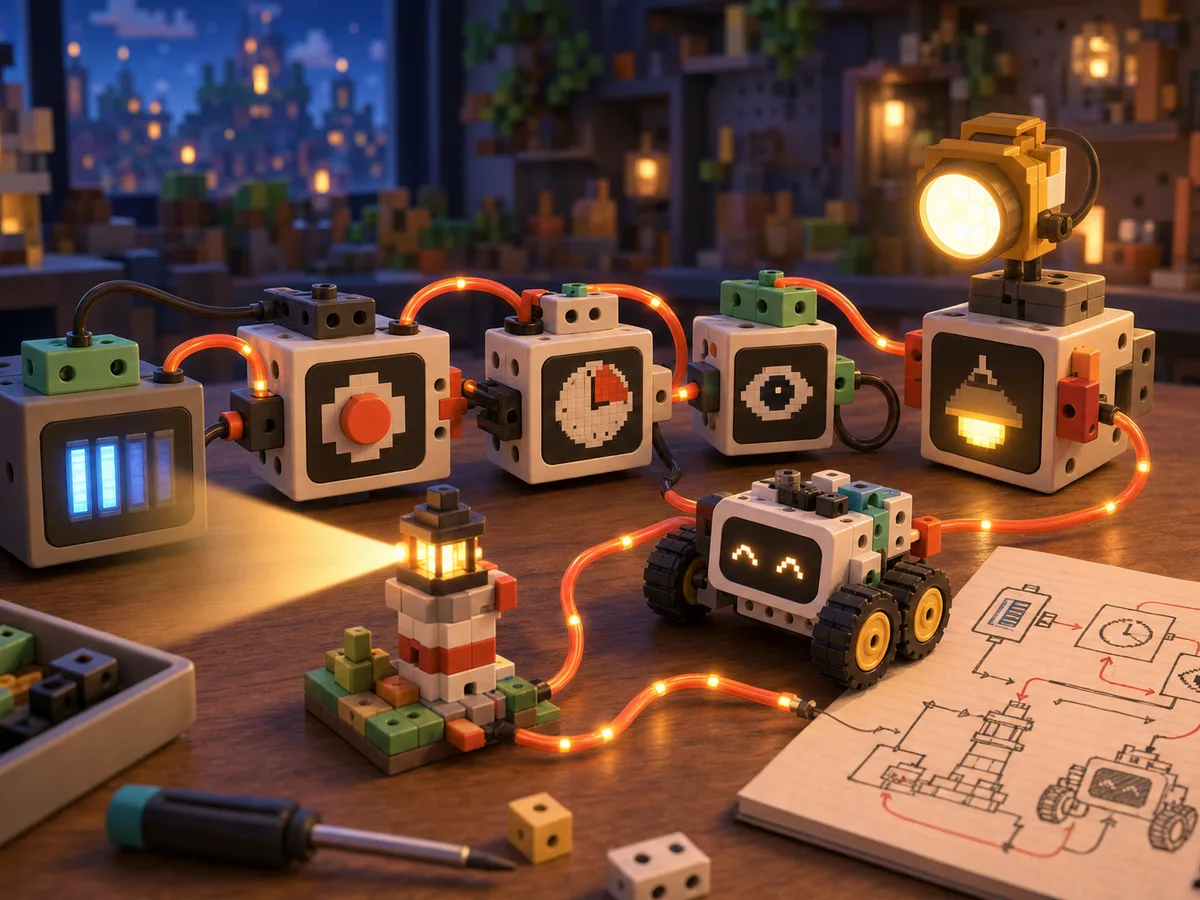
A power source, a wire and a result.
A switch connects and breaks the signal path.
A press triggers a sound.
A sensor turns the lamp on when it gets dark.
A pulse generator alternates between waiting and lighting up.
A motion sensor triggers the siren.
Access to the full course is granted separately.
From your first circuit to your own inventions
First, your child lights a lamp. Then they learn to turn signals into movement, manage energy and invent devices with logic and memory. The introductory course is available now; the next four courses are in preparation.
Recommended from age 5 · with an adult
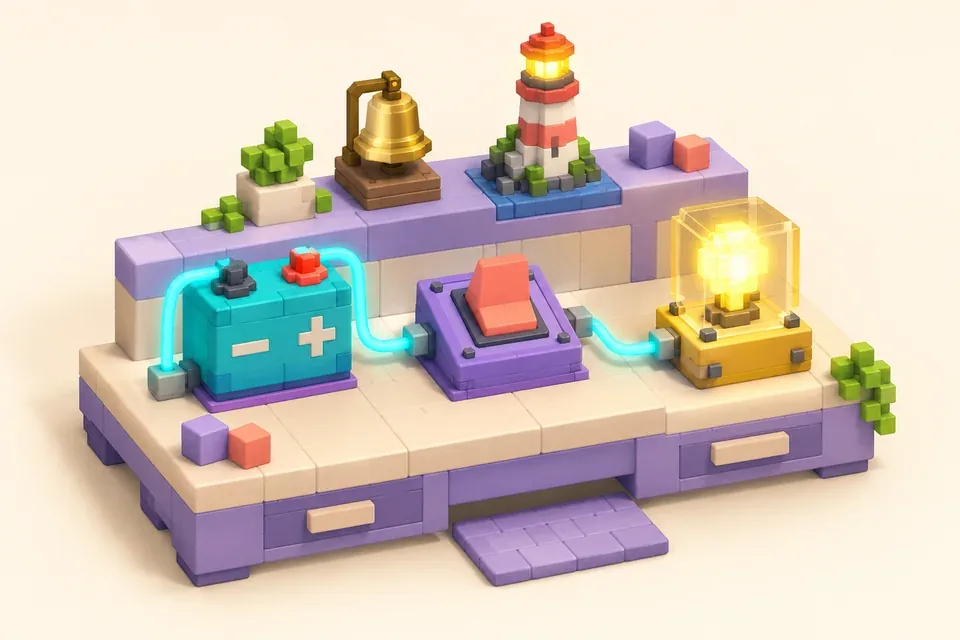
From a first lamp to an automatic alarm. Six practical activities and ready-made circuits for learning with children.
First circuits: ages 5 and up. Sensor and automation activities: ages 7 and up, depending on your child’s readiness.
Start with your first circuit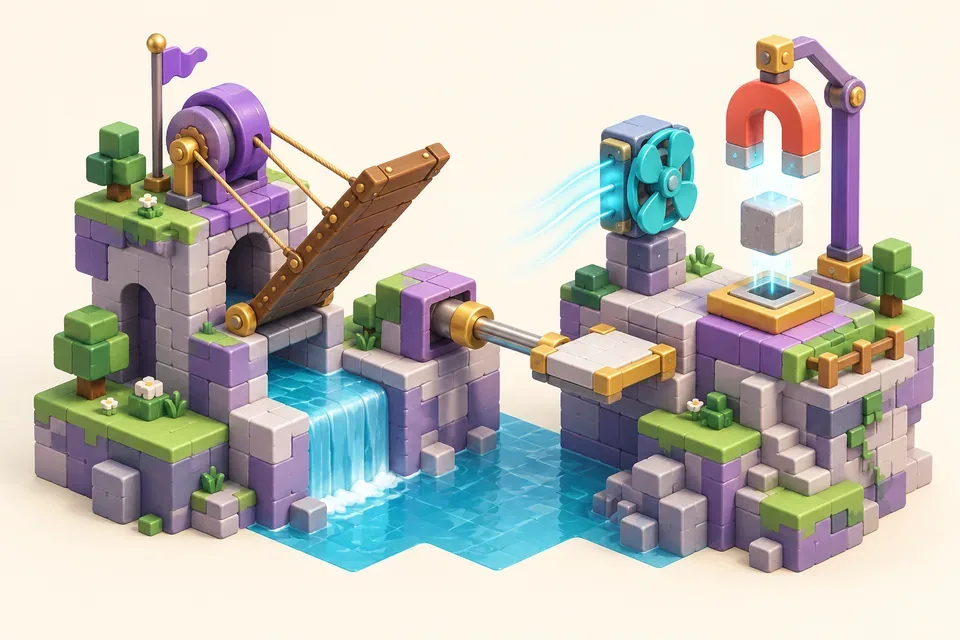
Recommended from age 6 · with an adult
Turn signals into movement: open bridges, move platforms and lift metal loads. Build a park that responds to its visitors.
After the course “Electrical mechanisms: introductory course”
Recommended from age 8 · with an adult
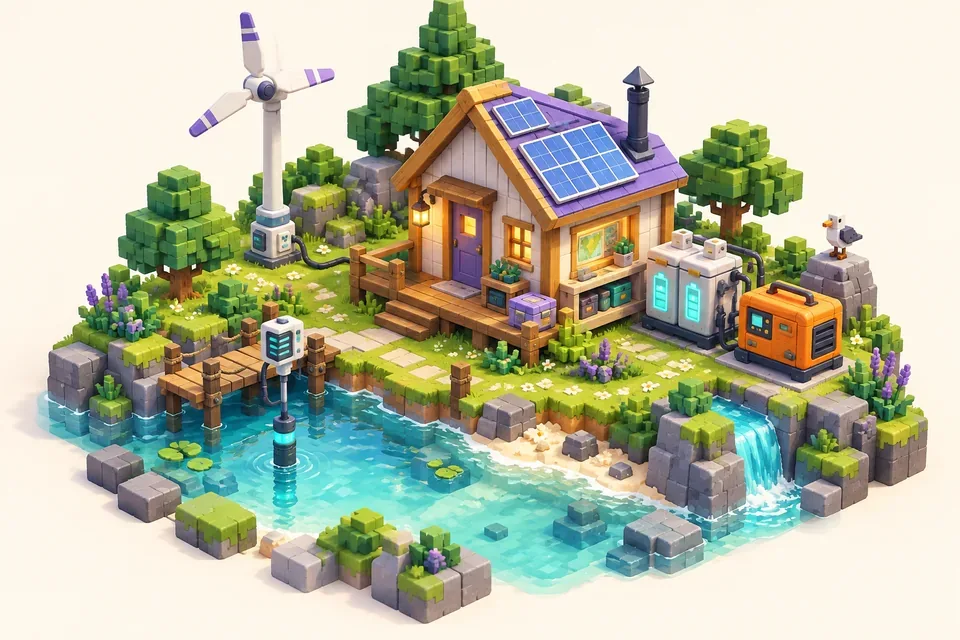
Harness sun and wind, store energy for the night and monitor the load. Teach your station to detect water, heat and items in a chest.
After the course “Mechanism park comes to life”
Recommended from age 10 · with an adult
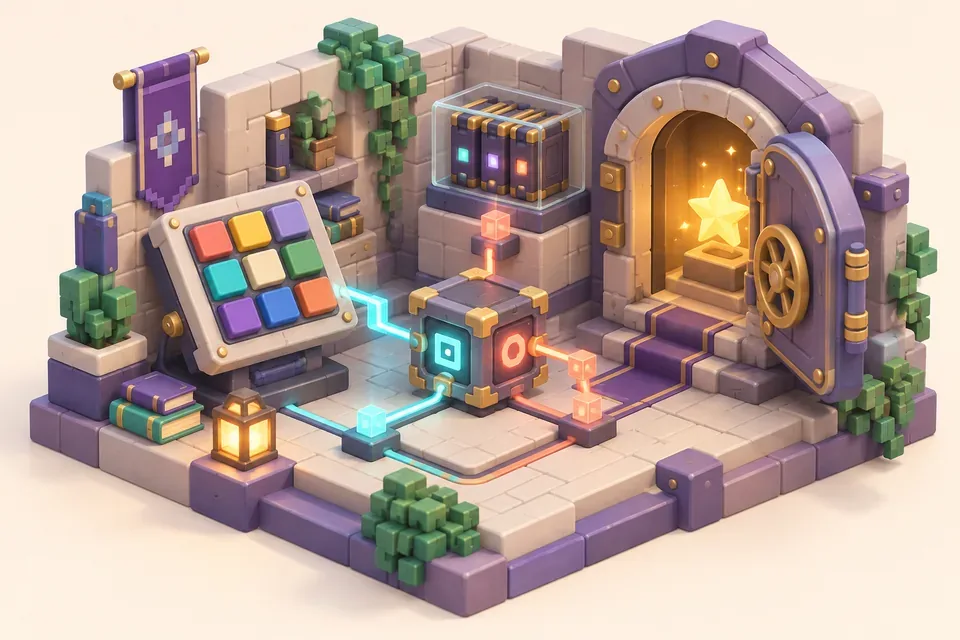
Teach mechanisms to make decisions: check two conditions, accept either of them and remember an event. Build your own puzzle room.
After the course “Powering a living station”
Recommended from age 12 · with an adult
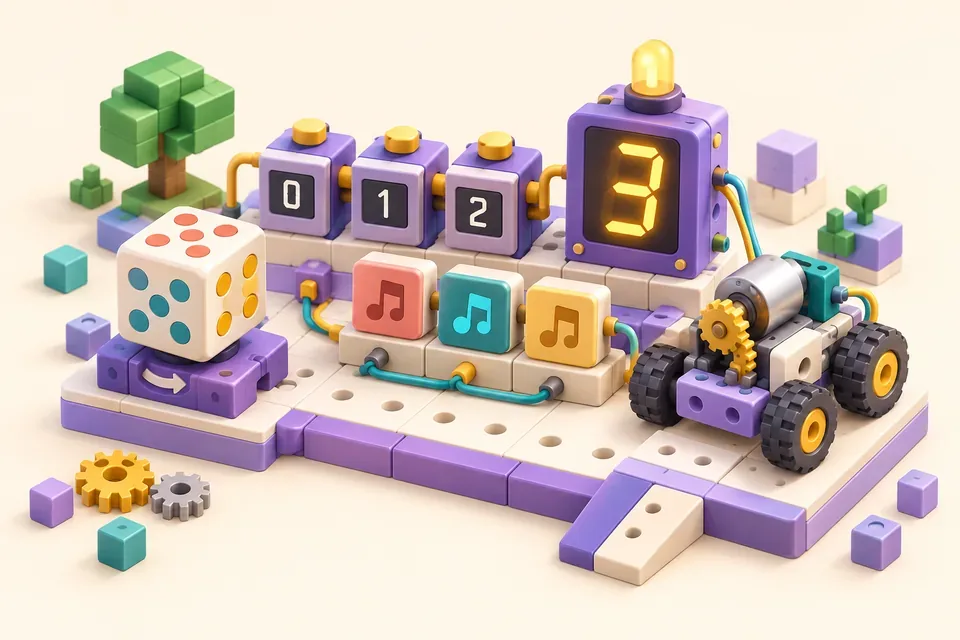
Turn events into numbers. Count pulses, display the result and explore randomness. Combine logic, rhythm and movement in one big project.
After the course “Secret code: logic and memory”
Ages are guidance for activities together. Follow your child’s interests and readiness: each stage gradually expands what they can do.
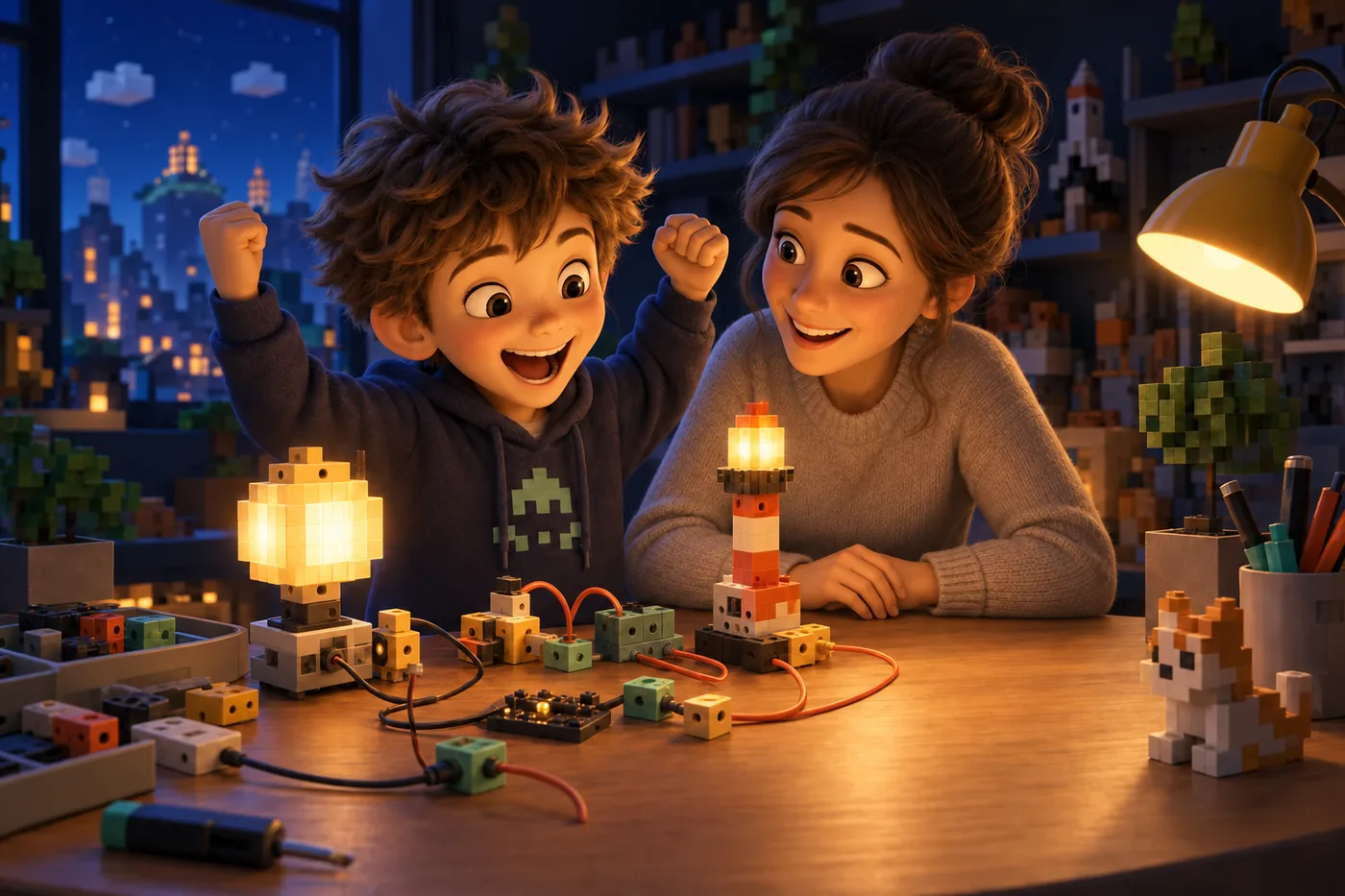
Discover together
Start with a simple mechanism and see what ideas follow.
Go to the Academy